
Dental Disposables That Support Clinic Hygiene
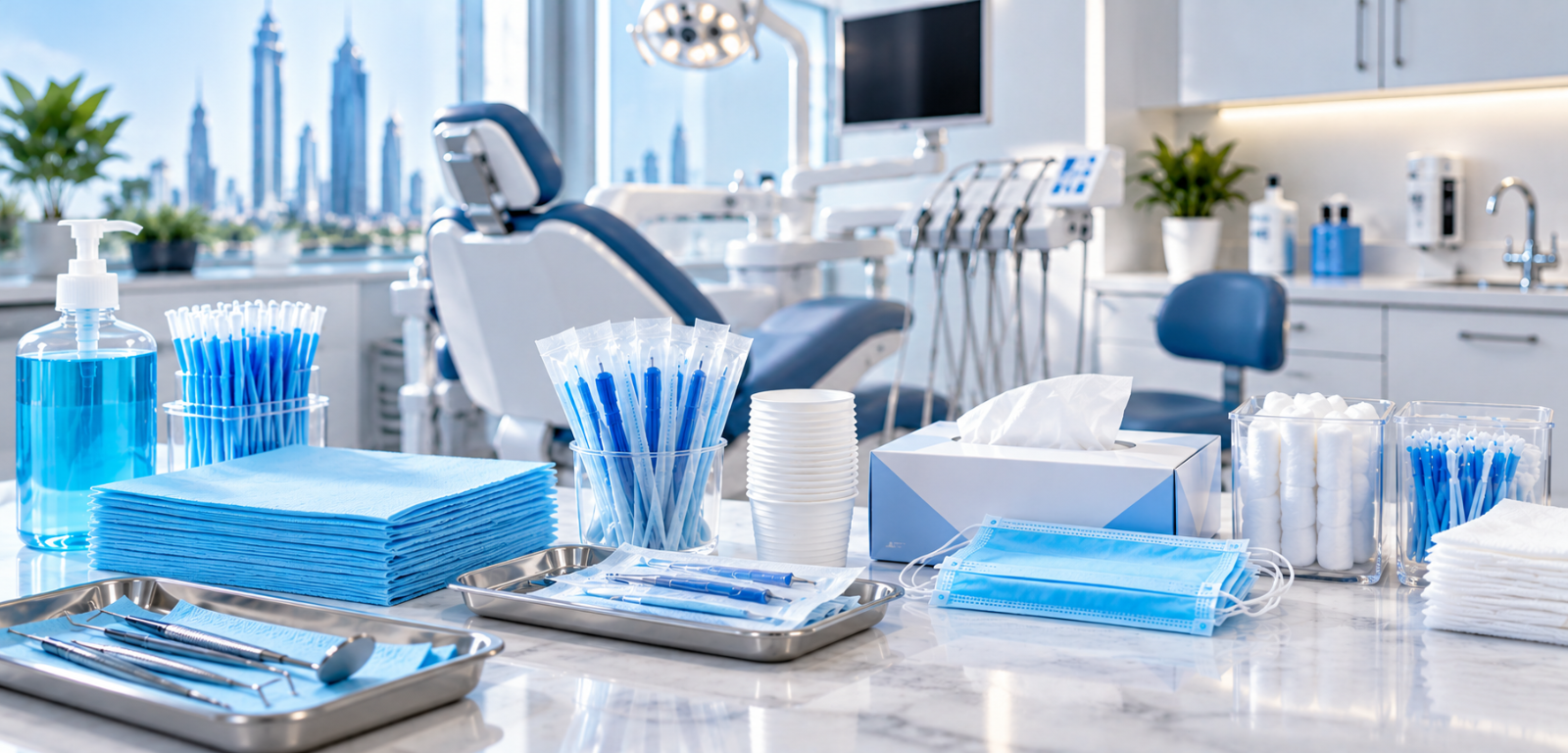
What is meant by single-use in dentistry?
Single-use dental devices are designed to be used on one patient for one procedure. It should then be disposed of properly not cleaned, disinfected or sterilised for use on another patient.
According to CDC guidance, a device that does not have reprocessing instructions should be considered single-use, even if the device label does not include the word "disposable".
Single use and sterile are different characteristics. A disposable product is not necessarily sterile. Buyers should review the product specification and the requirements of the intended procedure.
Exam Gloves for Appropriate Patient-Care Tasks
Gloves for medical examinations are an essential element of the supplies of a dental clinic. Select them according to procedure, expected exposure, fit for wearer and allergy considerations.
Having the correct sizes in stock also helps staff to handle instruments in a more controlled manner. If you have concerns about natural rubber latex sensitivity, consider an appropriate synthetic alternative.
Surgical gloves are sterile and used differently from non-sterile examination gloves. The process knows what is needed. They shouldn’t be treated as interchangeable. CDC's dental guidance differentiates glove selection for patient examination, surgery and housekeeping activities.
Disposable Masks and Protective Clothing
Disposable masks and protective clothing are listed on the clinic's task-based protective equipment list.
The decision should be determined by the expected exposure and the procedures approved by the clinic. Do not assume that a routine mask will provide the respiratory protection needed for all situations. Do not assume that a disposable apron will replace a protective gown.
Standardise by reviewing product specifications, fit and intended use. Also plan for compatible eye or face protection where required; some of that equipment may be reusable.
The goal is to get the right protective gear for the activity, not to make all of it disposable. CDC recommends dental protective equipment be selected based on the procedure being performed.
Patient Towels and Dental Bibs
Patients wear dental bibs to keep their clothes dry from moisture and materials during treatment. Buying considerations typically include absorbency, backing material, size and tear resistance.
Even if the unit price is attractive, a bib that is too small or easily moved around is inconvenient. Trialling the product in normal clinical work may help to assess coverage and handling.
Provide each patient with a new disposable bib. If the holder is reusable, clean according to the holder’s cleaning instructions and the clinic’s infection-control procedure.
Barrier Films and Equipment Envelopes
Barrier films and covers can be useful for protecting frequently touched surfaces that are difficult to clean, such as selected controls, handles and equipment components.
Their usefulness is in correct coverage and careful removal. Change barriers between patients and inspect underlying surfaces for contamination.
The CDC notes that surface barriers are especially helpful for clinical contact surfaces that are difficult to clean. It also says that contaminated surfaces should be properly cleaned and disinfected.
Cotton Rolls, Gauze, Cotton Pads
Absorbent products help manage moisture and other designated clinical tasks. Size, absorbency and handling properties affect how easily they can be used.
Store cotton rolls, gauze and pellets. Organised, protected storage. Only prepare the quantities required, and do not expose an unnecessary stock in the treatment area.
In particular, when buying, it is important to distinguish sterility. CDC states that “Items for single use, such as cotton rolls and gauze, used during oral surgical procedures should be sterile at the time of use.”
Why Choose Elumia Med Store
Elumia Med Store releases guidance for dental consumables, protection products and chairside supply planning. Its dental-protection content is concerned with practical purchasing considerations such as packaging, labelling, storage and stock rotation.
When submitting an inquiry, please specify your approved specifications, preferred pack quantities and estimated monthly consumption. If the product is associated with hardware, add the relevant compatibility requirements.
Confirm current availability, and request supporting product information prior to approving substitutions. This way your team can make a better comparison of the suitable dental supplies.
Concluding Thoughts
Dental disposables can help maintain clinic hygiene when they are appropriate for the job, used properly and replaced when required.
Build your supply list around the procedures you do. Ensure compatibility and sterility, give clear instructions for single use, and monitor stock usage. This practical approach will help staff to prepare in a systematic manner and reduce avoidable errors and waste in purchasing.